Be Nourished Naturally
  • Home
  • About
  • Book an Appointment
  • Consultations & Services
  • Recipes
    • Breakfast
    • Lunch
    • Dinner
    • Cakes & Bakes
    • Smoothies & Juices
  • Contact
  • Home
  • Cart
  • Checkout

Be Nourished Naturally

  • Home
  • About
  • Book an Appointment
  • Consultations & Services
  • Recipes
    • Breakfast
    • Lunch
    • Dinner
    • Cakes & Bakes
    • Smoothies & Juices
  • Contact
0
Category

Brisbane Nutritionist

Brisbane NutritionistHormonesNutritionistPost Natal Depletion

NUTRITIONISTS ROLE IN POST NATAL DEPLETION

written by Gina Rose

Postnatal depletion is something that has finally been recognised in the medical field which is probably why we are hearing more about it. Personally, I define postnatal depletion as the inability of women to recover —hormonally, nutritionally and emotionally—after having a baby. And when I say falling to recover, I don’t mean the first few weeks after birth, I mean months or even years after birth. I see some women who I would consider to have postnatal depletion with 4 or 5 year olds.

In this day & age many mothers-to-be are already depleted before conception and throughout pregnancy. Mother nature puts the developing baby first; a baby growing in utero will take what it needs from Mum. For example, during the third trimester, the fetal brain is undergoing the most significant stage of development. Approximately 7 grams of fat pass from mother to baby each day! This high transfer of DHA fatty acid is essential for the baby but can leave the mother depleted. This is why I have my clients on practitioner grade DHA.


Continue Reading
NUTRITIONISTS ROLE IN POST NATAL DEPLETION was last modified: January 13th, 2019 by Gina Rose
January 13, 2019 0 comment
0 Facebook Twitter Google + Pinterest
Brisbane Nutritionist

To all the beautiful Mum’s out there

written by Gina Rose

Dear Beautiful Mummy,

I know you are feeling tired & I know the day in day out, never ending work is exhausting.

I know looking after children can be lonely and you long for adult conversations. I know your heart is bursting at the seams for your tiny humans and you would do anything for them.

I know beams of sunshine radiate from your face when you talk & even think about your children.

I also know you put yourself second to the endless pile of washing, cooking & care of your family.

Continue Reading
To all the beautiful Mum’s out there was last modified: April 5th, 2017 by Gina Rose
September 14, 2016 0 comment
0 Facebook Twitter Google + Pinterest
Brisbane NutritionistClean EatingDinnerEssential FatsGluten Free

GROWING A BRAINY BABY BUMP

written by Gina Rose

As soon as you see those two pink lines you know you have a tiny human on board. The mother instincts kick in and you want to do everything you can to grow the healthiest baby.

Let me tell you about DHA, it stands for Docosahexaenic Acid, don’t worry I’m glad they abbreviated it too.

Continue Reading
GROWING A BRAINY BABY BUMP was last modified: April 5th, 2017 by Gina Rose
August 16, 2016 0 comment
0 Facebook Twitter Google + Pinterest
Brisbane NutritionistClean EatingGluten Free

Tea For Two

written by Gina Rose

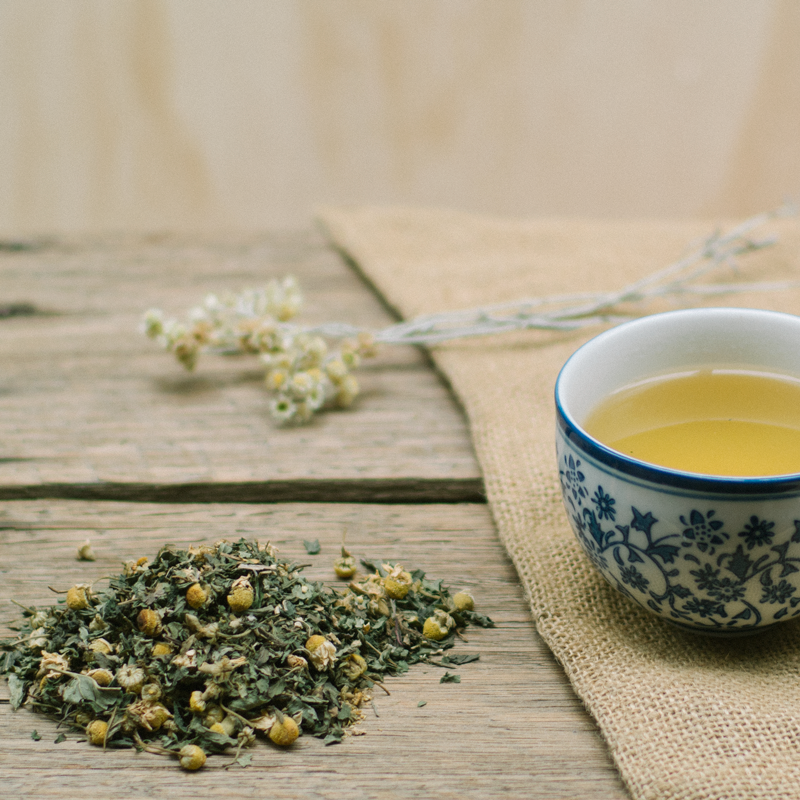
Go on grab your favorite mug and relax with a hot cup of herbal tea. It will do wonders to soothe your spirit, as well as many pregnancy-related ailments you may be suffering from. But first be savvy about what you are drinking as some teas are not recommended whilst you have a baby on board.

I don’t recommend caffeine during pregnancy because research has shown that caffeine is rapidly absorbed and crosses the placenta freely. An enzyme called Cytochrome P450 1A2, is the principal enzyme involved in caffeine metabolism & is absent in the placenta and the fetus, therefore dumping a huge load of stimulating caffeine on your growing baby is not an ideal situation!

Herbal tea is a great way of keeping hydrated and relaxing, while at the same time applying some of the healing properties of herbs, but not all teas are safe during pregnancy.

Some herbal teas are unsafe when you’re expecting; these include blends for PMS, weightloss, cleansing and detoxification, as well as St John’s Wort, Don Quai, Ginseng, Yarrow Pennyroyal (known to cause miscarriage), Ephedra & Licorice Root.

Chamomile tea is fine as long as there is no history of hayfever, Its from the same family as feverfew which isn’t recommended during pregnancy. You’d need to drink a huge amount of chamomile to have any issues. Also avoid herbal laxatives.

I always tell my clients if in doubt, leave it out.


There are some teas that are highly beneficial during pregnancy.

Probably the most well known tea for pregnancy is red raspberry leaf tea. It is commonly recommended by professionals to pregnant mothers for it’s uterine stimulating qualities. Red raspberry leaf tea is believed to help tone and strengthen the uterine muscle, allowing for a more efficient labor. However, red raspberry leaf tea does more than just aid pregnant women’s womb. It is also high in all the pregnancy loving nutrients like magnesium, potassium, b-vitamins and iron. Red raspberry leaf tea is also a great tool for women suffering from menstrual cramps and anyone with stomach issues.

Due to uterine stimulating abilities it is suggested to drink red raspberry leaf tea during the 2nd and 3rd trimester and to avoid it during the first trimester.

Nettle tea during pregnancy is the shiz, it is high in magnesium, calcium and iron, which are all excellent and essential minerals during pregnancy. It also helps with numerous stomach issues such as IBS, constipation and bloating.

If you’re looking to try nettle tea, look for one that contains the leaf and not the root. Nettle tea is known for it’s stimulating effects during pregnancy, and for that reason, I recommend it alongside raspberry leaf tea in the 2nd & 3rd trimester.

You will also find nettle in most mother’s tea for pregnancy and breastfeeding, as it aids in the production of breast milk.

Rooibos is a caffeine-free tea. I love that Rooibos tea has such high anti-oxidant qualities, which help fight free radicals, which also means it is great for the skin! It has a high source of calcium and helps to aid in digestion and stomach issues. Rooibos tea, unlike other teas, actually helps your body absorb iron, an essential mineral for pregnancy and postpartum.

Peppermint has more than breath-freshening qualities. Peppermint tea can be used for stomach issues of different kinds, from IBS to infant colic. Peppermint tea can be very soothing and relaxing as it calms the stomach. We know that, with pregnancy, comes heartburn and morning sickness, therefore this tea may be the perfect option. Peppermint also helps to relieve gas and bloating, as well as diarrhea.

Ginger! This “belly-friendly” tea is a great tea to add to anyone’s diet. Ginger (tea) is not only great for pregnancy, but it is also an effective remedy for colds and sore throats as it helps to clear up congestion. The reason why ginger is a great aid in pregnancy is due to the fact that it helps the process of digestion, as well as nausea, making it the perfect drink for the mummy-to-be, especially in the first trimester where some women suffer from morning sickness.

To enjoy this tea, chop a few slices of fresh ginger and add it to a teapot filled with water, once it boils, remove and enjoy. Try it with a little bit of honey and lemon, especially if you are feeling a little under the weather.

Lemon Balm is a great herb to drink to help you relax. It can also settle the stomach, making it especially good for nervous indigestion. The little hairs on the leaves contain an essential oil that is strongly anti-viral, but this evaporates if the leaves are roughly handled so it can only be relied on in fresh herbs. Lemon Balm is part of the mint family so it tastes yummy, and it is also very easy to grow.

My very favourite Pregnancy Tea is LOVE TEA and I drank it throughout both my pregnancies. It tastes delicious!! So get yourself a big hug form a mug and rub that beautiful bump of yours.

I know everyone has their opinion on pregnancy. Some hate the nine month process because of how brutal it can be on our bodies. While others have these harmonious pregnancies and gasp in the wonderfulness of those nine months.

For me pregnancy is by far the most beautiful experience one could ever be part of. This goes not just for mothers, but for fathers as well. It’s one of the most unique and special types of bonding and love that exists. For a woman to create, grow, and give birth to another life is rather extraordinary.

We are mothers, we are the safe place for our children, we have created life and we are simply beautiful. All of this is what makes it worth it and what makes pregnancy such a beautiful experience.

Gina xx

Tea For Two was last modified: April 5th, 2017 by Gina Rose
May 5, 2016 0 comment
0 Facebook Twitter Google + Pinterest
Brisbane NutritionistClean EatingDinnerEssential FatsGluten FreeLunchSmoothies & Drinks

Tiny Human… What do I feed you?

written by Gina Rose

Infant nutrition is crucial for supporting optimal growth and development. Think about this for one minute.. choosing foods for your infant can either prevent a disease or feed one. Now, that sounds serious, but we actually have the power to influence our children with fuel to set them up for a healthy life.

Continue Reading
Tiny Human… What do I feed you? was last modified: April 5th, 2017 by Gina Rose
May 1, 2016 0 comment
0 Facebook Twitter Google + Pinterest
BreakfastBrisbane NutritionistClean EatingDinnerEssential FatsGluten FreeLunchSmoothies & DrinksSnacksSugar FreeSuperfoods

Post Natal Depression & Post Natal Anxiety

written by Gina Rose

PND & PNA are two very common conditions women experience after having a baby and we treat these conditions on a regular basis at the clinic.

Tiredness/exhaustion and sometimes even overwhelm can be a regular part of new parenting as you learn to adjust to your new role as mother, but if you have ongoing disturbing thoughts and/or feelings of worry and tension that are hard to live with and/or affect your ability to manage from day to day, then you may be experiencing postnatal depression or anxiety.

Continue Reading
Post Natal Depression & Post Natal Anxiety was last modified: April 5th, 2017 by Gina Rose
March 22, 2016 0 comment
0 Facebook Twitter Google + Pinterest
BreakfastBrisbane NutritionistClean EatingDinnerEssential FatsGluten FreeLunchSmoothies & Drinks

FUSSY EATERS

written by Gina Rose

FUSSY EATERS!

From one Mum to another I can tell you we all want what’s best for our little ones, because a healthy child is a happy child. To give them the greatest start in life it is critical to ensure they are getting everything they need from their diet. Easier said that done right!

The screwed up nose, food thrown on the floor and the all mighty tantrums at the sight of a tomato! I hear you, and I’m here to help.


THE SOLUTION TO GETTING THE GOOD STUFF IN!

  • Children thrive on routine. Try keeping main meals and snack times at roughly the same time each day. Children have a strong need for rituals and for what feels familiar whether it is a bedtime routine, meal time routine or using a favourite plate. Some form of daily routine may provide a picky, fussy eater with predictability and security.
  • Children need to eat frequently to sustain their high energy levels and rapid growth so small but frequent nutrient dense “mini meals” may be best for picky, fussy kids. This approach will maintain optimum blood sugar levels and keep the grumpiness, pickiness and tantrums at bay. Every parent knows that a hungry child is generally not a happy or co-operative child.
  • Children are very keen observers of what significant adults in their lives are doing. As well as parents, this will include grandparents, extended family members, family friends and even older brothers and sisters. Ask yourself:
  • Do I eat regular meals – breakfast, lunch and dinner? If not, how can I expect my child to do so?
  • Do I always eat healthy nutrient dense fresh foods? If not, how can I expect my child to?
  • Do I pick at food and not eat particular vegetables? Your child will mimic this. If mum or dad is a picky eater and isn’t willing to eat the new foods, neither will the child.
  • Where do I eat meals? In front of the TV? At the kitchen bench? On the run driving to work?
  • Does my family sit together and enjoy the majority of breakfasts and evening meals together?
  • Do I share the same meal as my child or do I expect them to eat something different?
  • When it comes to healthy eating, the best thing you can do as a parent is to be a good role model.
  • Don’t offer too much. A young child’s stomach is roughly just the size of their fist so serve small portions initially. They don’t need much to get full so may only want small amounts at a time but get hungry again quickly. Avoid empty calories. Don’t let your child fill up on high-sugar, processed foods.
  • Finger foods are also popular and will allow a toddler some of their desired independence. We all know how independent a toddler is!
  • At times children may prefer to drink rather than eat. Smoothies are a wonderful way to improve a picky eaters (and your own) nutrition. All sorts of things can be disguised in a drink so don’t despair!
  • A frozen banana, Greek yoghurt, nuts, seeds, spinach, avocado & coconut milk is one combination. I also sneak in fish oil, probiotics and a scoop of protein.

The addition of a colourful straw or drinking cup will add to the fun and compliance. Any left overs can be frozen into wonderful ice block or “ice cream” snacks for hot summer days and after school.

Physiologically a child’s gut, brain and immune system are not yet fully developed. Their gut lining is still rather “leaky” and liver detoxification ability is not mature so children are not capable of handling toxins from foods or their environment effectively. This can have a significant impact on their overall health as well as mood and eating behaviour.

Of course the reasons why children may reject foods can be many and varied and will differ with each child. Try to understand the possible reasons for your child’s fussiness. Is it due to innate issues, due to particular habits being created around food initially or is there some other underlying condition?

If you would like a consultation with me to help you get to the bottom click the link HERE

Gina Rose xx

Reference: Feeding Picky Kids

FUSSY EATERS was last modified: April 5th, 2017 by Gina Rose
February 9, 2016 0 comment
1 Facebook Twitter Google + Pinterest

About Me

About Me

Writer & Reader

Hi there, welcome to my website. I am Gina, a mother to two young children, a clinical nutritionist and a lover of wholesome food.

Keep in touch

Facebook Twitter Google + Instagram Pinterest Youtube

Instagram

…

Categories

  • Breakfast (8)
  • Brisbane Nutritionist (7)
  • Clean Eating (13)
  • Dinner (8)
  • Essential Fats (11)
  • Gluten Free (11)
  • Hormones (2)
  • Lunch (7)
  • Nutritionist (2)
  • Post Natal Depletion (1)
  • Smoothies & Drinks (5)
  • Snacks (6)
  • Sugar Free (6)
  • Superfoods (5)
  • Uncategorized (1)

Recent Posts

  • NUTRITIONISTS VIEW ON BALANCING HORMONES NATURALLY

    January 20, 2019
  • NUTRITIONISTS ROLE IN POST NATAL DEPLETION

    January 13, 2019
  • Cooking with Pana Chocolate

    April 3, 2018
  • To all the beautiful Mum’s out there

    September 14, 2016
  • GROWING A BRAINY BABY BUMP

    August 16, 2016

About Me

About Me

Hi there, welcome to my website. I am Gina, a mother to two young children, a clinical nutritionist and a lover of wholesome food.

Popular Posts

  • Tiny Human… What do I feed you?

    May 1, 2016
  • Bone Broth

    August 6, 2013
  • To all the beautiful Mum’s out there

    September 14, 2016

Contact Information

Email:
[email protected]
Phone:
0424 618 729

Address:
10 Donnelly Street
Havelock North
Hawke’s Bay 4130
New Zealand

  • Facebook
  • Twitter
  • Google +
  • Instagram
  • Pinterest
  • Youtube

@2017 - Nutrition By Ginarose. All Right Reserved.Developed by Zealopers


Back To Top