Working with Pana Chocolate was always going to be an awful job….. said no-one ever!
This tart is deliciously decadent, not too sweet & perfect for any special occasion.
Pana Chocolate Tart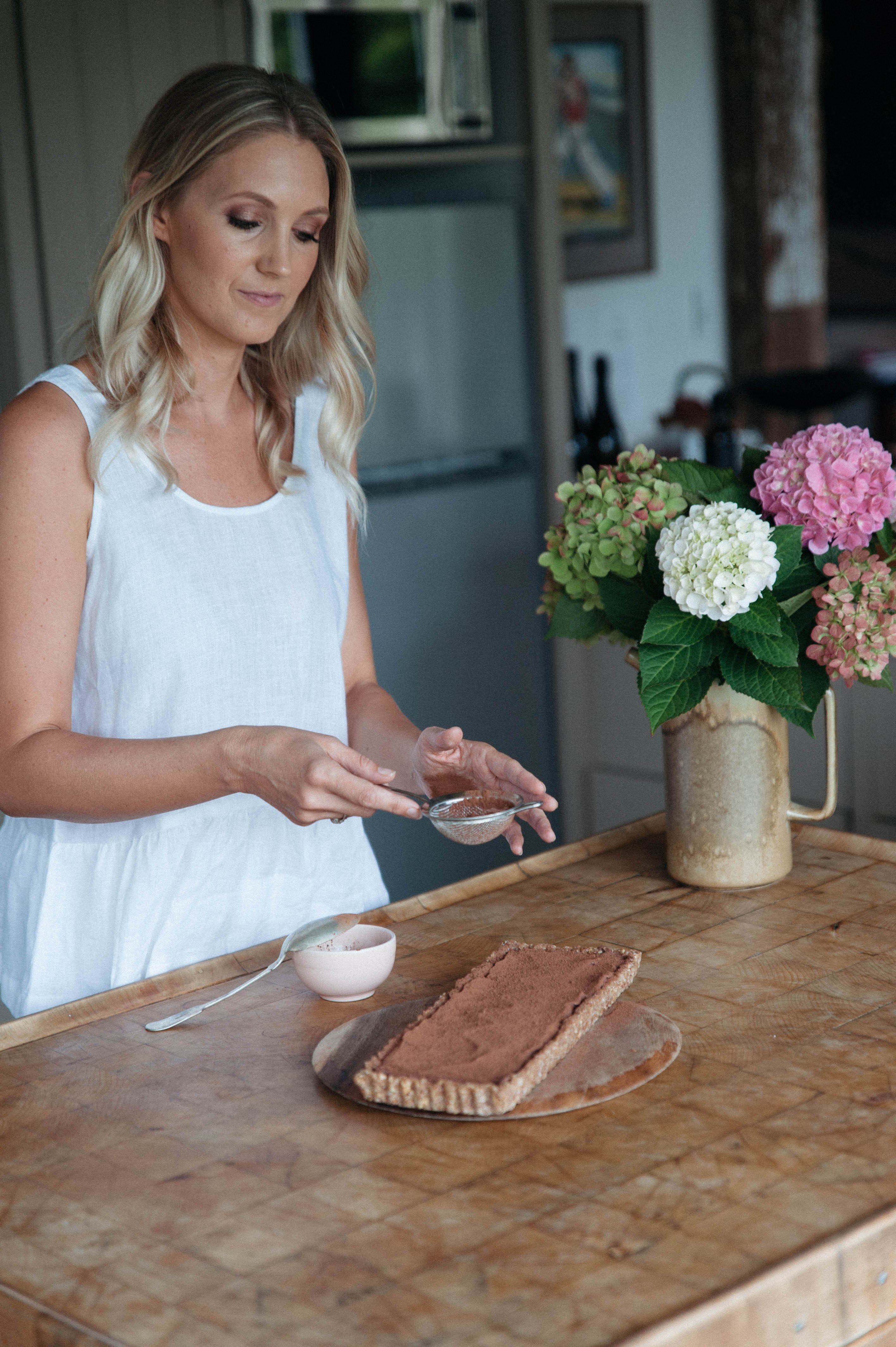
Working with Pana Chocolate was always going to be an awful job….. said no-one ever!
This tart is deliciously decadent, not too sweet & perfect for any special occasion.
Pana Chocolate Tart

As soon as you see those two pink lines you know you have a tiny human on board. The mother instincts kick in and you want to do everything you can to grow the healthiest baby.
Let me tell you about DHA, it stands for Docosahexaenic Acid, don’t worry I’m glad they abbreviated it too.
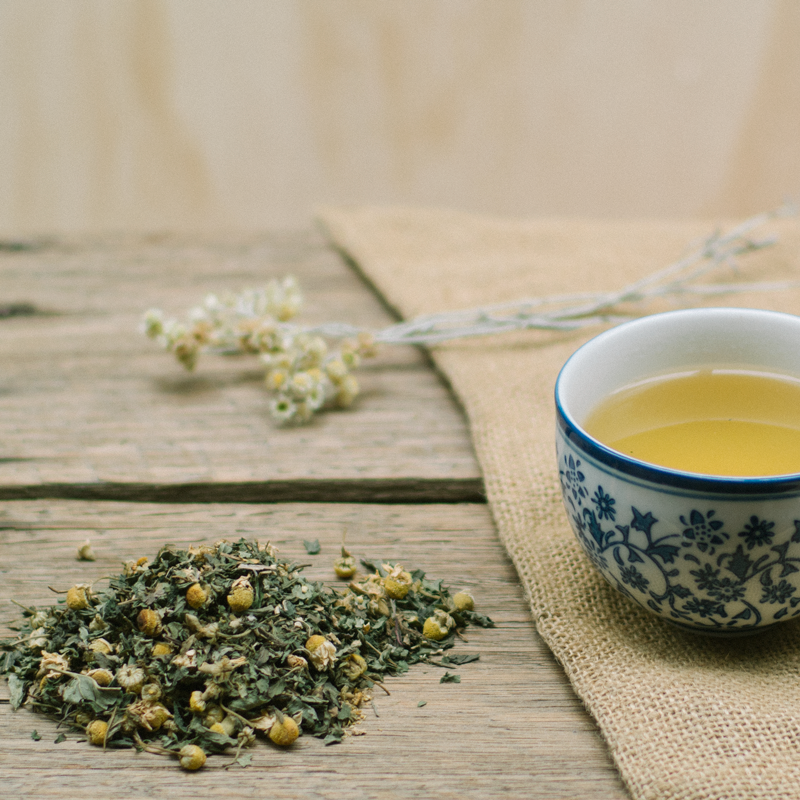
Go on grab your favorite mug and relax with a hot cup of herbal tea. It will do wonders to soothe your spirit, as well as many pregnancy-related ailments you may be suffering from. But first be savvy about what you are drinking as some teas are not recommended whilst you have a baby on board.
I don’t recommend caffeine during pregnancy because research has shown that caffeine is rapidly absorbed and crosses the placenta freely. An enzyme called Cytochrome P450 1A2, is the principal enzyme involved in caffeine metabolism & is absent in the placenta and the fetus, therefore dumping a huge load of stimulating caffeine on your growing baby is not an ideal situation!
Herbal tea is a great way of keeping hydrated and relaxing, while at the same time applying some of the healing properties of herbs, but not all teas are safe during pregnancy.
Some herbal teas are unsafe when you’re expecting; these include blends for PMS, weightloss, cleansing and detoxification, as well as St John’s Wort, Don Quai, Ginseng, Yarrow Pennyroyal (known to cause miscarriage), Ephedra & Licorice Root.
Chamomile tea is fine as long as there is no history of hayfever, Its from the same family as feverfew which isn’t recommended during pregnancy. You’d need to drink a huge amount of chamomile to have any issues. Also avoid herbal laxatives.
I always tell my clients if in doubt, leave it out.
Probably the most well known tea for pregnancy is red raspberry leaf tea. It is commonly recommended by professionals to pregnant mothers for it’s uterine stimulating qualities. Red raspberry leaf tea is believed to help tone and strengthen the uterine muscle, allowing for a more efficient labor. However, red raspberry leaf tea does more than just aid pregnant women’s womb. It is also high in all the pregnancy loving nutrients like magnesium, potassium, b-vitamins and iron. Red raspberry leaf tea is also a great tool for women suffering from menstrual cramps and anyone with stomach issues.
Due to uterine stimulating abilities it is suggested to drink red raspberry leaf tea during the 2nd and 3rd trimester and to avoid it during the first trimester.
Nettle tea during pregnancy is the shiz, it is high in magnesium, calcium and iron, which are all excellent and essential minerals during pregnancy. It also helps with numerous stomach issues such as IBS, constipation and bloating.
If you’re looking to try nettle tea, look for one that contains the leaf and not the root. Nettle tea is known for it’s stimulating effects during pregnancy, and for that reason, I recommend it alongside raspberry leaf tea in the 2nd & 3rd trimester.
You will also find nettle in most mother’s tea for pregnancy and breastfeeding, as it aids in the production of breast milk.
Rooibos is a caffeine-free tea. I love that Rooibos tea has such high anti-oxidant qualities, which help fight free radicals, which also means it is great for the skin! It has a high source of calcium and helps to aid in digestion and stomach issues. Rooibos tea, unlike other teas, actually helps your body absorb iron, an essential mineral for pregnancy and postpartum.
Peppermint has more than breath-freshening qualities. Peppermint tea can be used for stomach issues of different kinds, from IBS to infant colic. Peppermint tea can be very soothing and relaxing as it calms the stomach. We know that, with pregnancy, comes heartburn and morning sickness, therefore this tea may be the perfect option. Peppermint also helps to relieve gas and bloating, as well as diarrhea.
Ginger! This “belly-friendly” tea is a great tea to add to anyone’s diet. Ginger (tea) is not only great for pregnancy, but it is also an effective remedy for colds and sore throats as it helps to clear up congestion. The reason why ginger is a great aid in pregnancy is due to the fact that it helps the process of digestion, as well as nausea, making it the perfect drink for the mummy-to-be, especially in the first trimester where some women suffer from morning sickness.
To enjoy this tea, chop a few slices of fresh ginger and add it to a teapot filled with water, once it boils, remove and enjoy. Try it with a little bit of honey and lemon, especially if you are feeling a little under the weather.
Lemon Balm is a great herb to drink to help you relax. It can also settle the stomach, making it especially good for nervous indigestion. The little hairs on the leaves contain an essential oil that is strongly anti-viral, but this evaporates if the leaves are roughly handled so it can only be relied on in fresh herbs. Lemon Balm is part of the mint family so it tastes yummy, and it is also very easy to grow.
My very favourite Pregnancy Tea is LOVE TEA and I drank it throughout both my pregnancies. It tastes delicious!! So get yourself a big hug form a mug and rub that beautiful bump of yours.
I know everyone has their opinion on pregnancy. Some hate the nine month process because of how brutal it can be on our bodies. While others have these harmonious pregnancies and gasp in the wonderfulness of those nine months.
For me pregnancy is by far the most beautiful experience one could ever be part of. This goes not just for mothers, but for fathers as well. It’s one of the most unique and special types of bonding and love that exists. For a woman to create, grow, and give birth to another life is rather extraordinary.
We are mothers, we are the safe place for our children, we have created life and we are simply beautiful. All of this is what makes it worth it and what makes pregnancy such a beautiful experience.
Gina xx
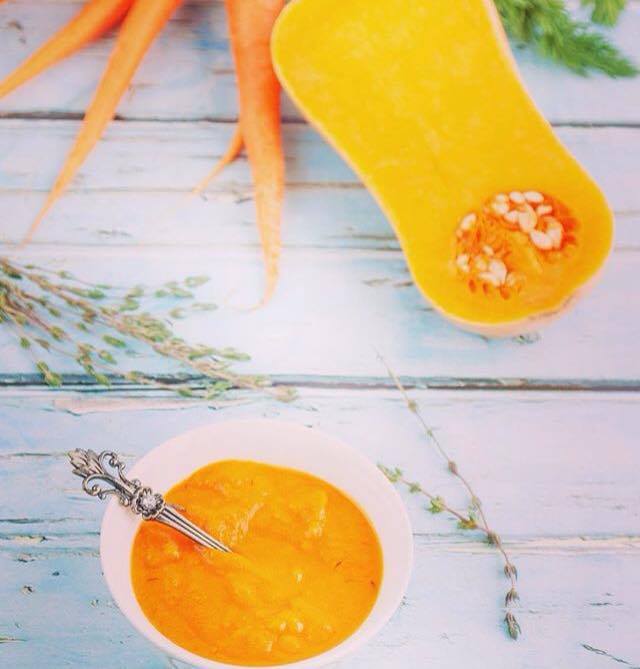
Infant nutrition is crucial for supporting optimal growth and development. Think about this for one minute.. choosing foods for your infant can either prevent a disease or feed one. Now, that sounds serious, but we actually have the power to influence our children with fuel to set them up for a healthy life.

PND & PNA are two very common conditions women experience after having a baby and we treat these conditions on a regular basis at the clinic.
Tiredness/exhaustion and sometimes even overwhelm can be a regular part of new parenting as you learn to adjust to your new role as mother, but if you have ongoing disturbing thoughts and/or feelings of worry and tension that are hard to live with and/or affect your ability to manage from day to day, then you may be experiencing postnatal depression or anxiety.

From one Mum to another I can tell you we all want what’s best for our little ones, because a healthy child is a happy child. To give them the greatest start in life it is critical to ensure they are getting everything they need from their diet. Easier said that done right!
The screwed up nose, food thrown on the floor and the all mighty tantrums at the sight of a tomato! I hear you, and I’m here to help.
The addition of a colourful straw or drinking cup will add to the fun and compliance. Any left overs can be frozen into wonderful ice block or “ice cream” snacks for hot summer days and after school.
Physiologically a child’s gut, brain and immune system are not yet fully developed. Their gut lining is still rather “leaky” and liver detoxification ability is not mature so children are not capable of handling toxins from foods or their environment effectively. This can have a significant impact on their overall health as well as mood and eating behaviour.
Of course the reasons why children may reject foods can be many and varied and will differ with each child. Try to understand the possible reasons for your child’s fussiness. Is it due to innate issues, due to particular habits being created around food initially or is there some other underlying condition?
If you would like a consultation with me to help you get to the bottom click the link HERE
Gina Rose xx
Reference: Feeding Picky Kids
Women have been led to believe that if we eat fat, we become fat. That is not true. The low fat epidemic has actually influenced us to miss out on wonderful nutrients that nourish our body and replace them with artificial sweeteners and flavours. Symptoms such as dry skin, thinning hair and brittle nails are signs of a diet deficient in natural fats.
There are three main types of nourishing fats: saturated fat, monounsaturated fat, and polyunsaturated fat. The fats we want to avoid at all costs are the yucky trans fats.
Fats do have a lot of calories, hence the reason we have become afraid of eating them, however we are not concerned with the calories. We want to be more concerned with the quality of foods we are eating. The more you consume empty calories, the less your skin will glow and the more cravings you will have since your body is searching for essential minerals and vitamins. Fat gives a feeling of satiety that decreases cravings and over-eating.
Good fats are essential for our optimal wellbeing. These fats have numerous important functions that give us our ‘glow’ nourishing us from the inside out. They are essential for rebuilding cells and hormone production. Our bodies do not make essential fatty acids, we can only get them from the foods we eat. That’s why it becomes so important to eat the right fats.
Omega-3 essential fatty acids are the polyunsaturated fats that we really need and these are found mostly in fatty fish such as wild-caught salmon, trout and sardines. Omega-3 can benefit various aspects of our body such as brain health, joint health, heart health, skin health, and eye health. They are naturally high in anti-inflammatory compounds and also improve the Omega-3/Omega-6 balance in the body. Two servings of fatty fish per week is recommended.
Omega-6 fatty acids are pro-inflammatory and the modern diet usually contains an excessive amount, even from seemingly ‘healthy’ foods such as seeds and grains as well as refined vegetable oils, processed foods, and meat and eggs from grain-fed animals.
*Note we want to consume more omega-3 than omega-6.
The one ‘good’ omega-6 fat we should opt for is gamma-linolenic acid (GLA), found in evening primrose oil. It is unique from the other omega-6 fats and possesses anti-inflammatory mechanisms involved in keeping our skin hydrated and in particular providing support for cell membranes.
You may not have heard of omega-9, that is because it is not essential, our bodies can produce it in small amounts. However, if we do not have an efficient level of omega-3 and omega-6, our bodies struggle to produce omega-9. Omega-9 is a monounsaturated fat, and can easily be absorbed by consuming olives, avocados and nuts.
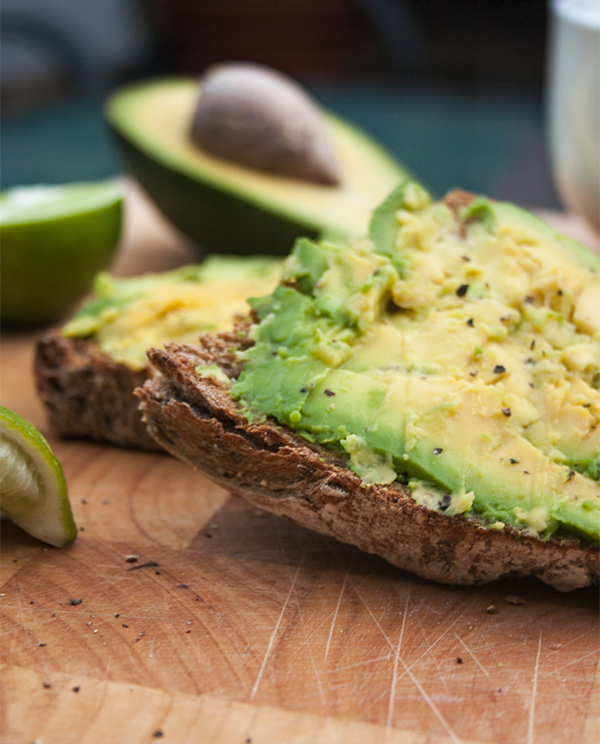
Avocados are nutrient dense fruits that play an important role in reducing inflammation in the body and are integral for skin conditioning, texture and glow. They are packed full of potassium and vitamin E, avocadoes not only take care of skin but also help modulate blood pressure.
Coconut & coconut oil is a highly nutritious saturated fat. It is amazing for hormone health. It provides the necessary building blocks for hormone production, can assist weight loss, reduce inflammation, and even has antimicrobial and antibacterial properties. Coconut does not oxidise easily at high temperatures or go rancid easily, making it a good choice for cooking and baking. If you haven’t tried Coyo (coconut yoghurt) your missing out, it is delicious!
Olive Oil is high in monounsaturated fats and low in polyunsaturated fats. It shouldn’t be used for cooking since its high monounsaturated fat content makes it susceptible to oxidation at high temperatures. Olive oil also aids in reducing inflammation.
Butter has had some bad publicity over the years but it is actually a highly nutritious fat. It is the most easily absorbable source of vitamin A, which supports the thyroid and adrenal glands, and in turn, the cardiovascular system. Butter is a good source of dietary cholesterol, which acts as an anti-oxidant, repairing damage from free radicals caused by rancid fats such as vegetable oils and trans fats. Cholesterol is also important for the development of the brain and nervous system in children.
Eggs are another all-star in the healthy fats community, eggs are loaded with B vitamins, healthy fats and necessary cholesterol. Consume them daily from free -range sources.
Trans Fats. All foods that contain trans fatty acids are labeled now. These are some of the worst fats because they raise our LDL levels, the types of cholesterol we don’t want raised and lower our HDL our good cholesterol levels. They are found in vegetable oils’ – i.e. the ‘yellow’ oils found in clear plastic bottles at the supermarket, fried foods, commercial baked goods like donuts, cookies, crackers, processed foods and margarine. These fats cause inflammation and mutation in cells.
A focus on health, rather than weight is imperative as is a focus on the nutrient-density of foods, rather than calories.
Be nourished naturally.

It happens to the best of us…..the winter blubber, festive fat fest, chocolate addiction, whatever the reason most of us have experienced gaining those extra Kg’s that makes us feel sluggish and gross.
I am going to share with you my plan of action. In a nutshell I take out the bad stuff, put in the good and up the activity…seems simple right, that’s because IT IS!! There is no magic here its just the right information and the big key here is taking responsibility. When you choose to take control it is empowering, so stop cheating yourself and make the decision to get yourself back to where you look and feel your best.
Also I want you to remember that being healthy inside is what creates long-lasting beauty and gives you radiant skin and clear sparkling eyes, being rail thin is NOT a the deciding factor by any means. Embrace the shape you have been given and enhance your best assets don’t force yourself to be a size 0. If you’re a size 10 you will only end up in a hateful relationship with your body and that’s no fun at all!
Love yourself unconditionally xxx
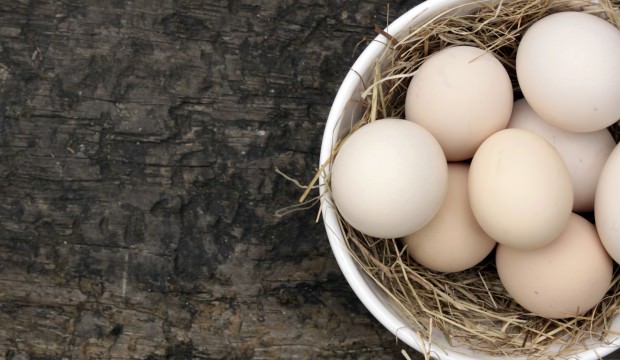
Eggs are one of the worlds most nutrient dense foods available and are so easy to prepare and use in so many different recipes. They are convenient, versatile, easy to cook with and are nutrition power houses !!! Eggs are high in protein, containing the 9 essential amino acids and on average 7-10 grams per egg. This provides the building blocks for the body, helps regulate blood sugar levels, promotes liver detoxification and supplies the body with precursors for neurotransmitters, keeping you happy, alert and motivated!
Embrace and love your body. It is the only thing you will ever own.
Breakfast is such an important meal. Break your over night fast with nutrient dense goodness. A breakfast high in protein can help to curb cravings for unhealthy snacks, especially in the evening. Starting your day with protein-rich foods helps you to feel fuller for longer, decreasing the likelihood to binge during the day
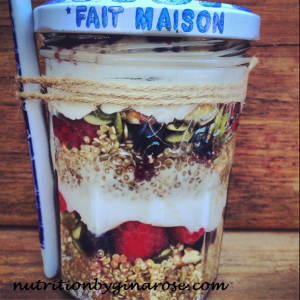
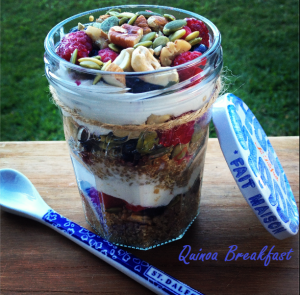
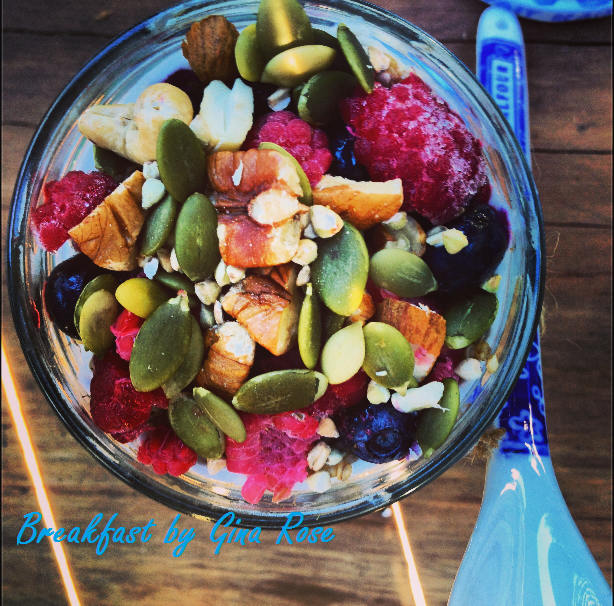
Layer quinoa with coconut yoghurt, chopped nuts (almonds/walnuts/cashews) Pumpkin seeds, berries and extra milk for a porridge consistency.
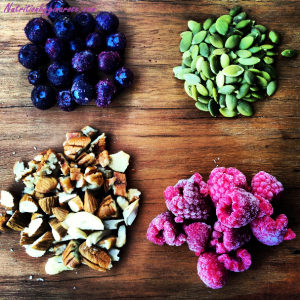
I have also sprinkled activated buckwheat for extra crunch.
Cinnamon is effective in balancing blood sugar levels.
Nuts provide us with essential healthy fats. They are also a good source of dietary fibre and provide a wide range of essential nutrients, including several B group vitamins, vitamin E, minerals such as iron, zinc, potassium and magnesium, antioxidant minerals (selenium, manganese and copper), plus other antioxidant compounds (such as flavonoids and resveratrol).