Mooooove over cow, come in almond milk.
Nut Milks are a great alternative to the conventional dairy or soy milks. Unfortunately the dairy produce our grandparents consumed is not the same as what we purchase today. Through modern food processing we have removed the enzymes and basically all the health benefits that was once present in cow’s milk. Pasteurization and homogenization are just 2 of the issues I am concerned with when talking about dairy.
To make almond milk
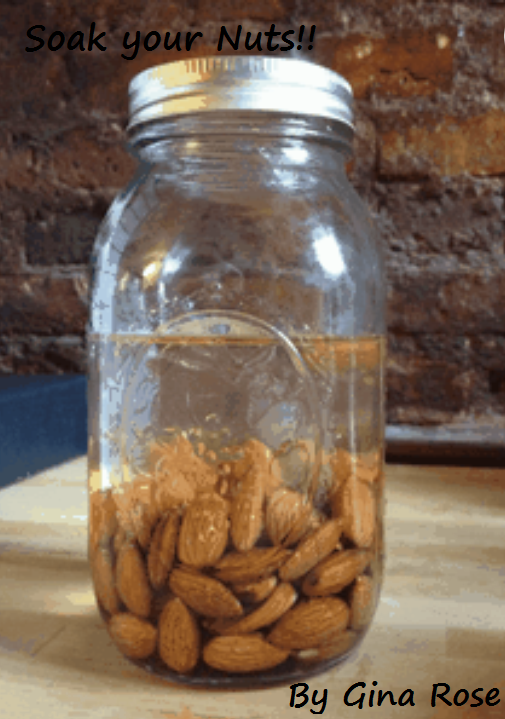
You need to soak 1 cup of almonds in salted water overnight.
The longer the almonds soak the creamer the milk.
Drain and rinse almonds.
In a blender combine almonds, 2 cups of fresh water and blend for 4 minutes.
Strain the liquid through a nut bag or cheese cloth, squeeze and twist all the excess moisture out. I like mine plain or you can add any of these extras.
- 2 medjool dates (these are the fresh dates in the frits section at the supermarket)
- cinnamon
- nutmeg
- raw cacao powder….. mmmmmmmm chocolate milk
- vanilla extract
Then blend the… nut milk with a medjool date or any other extras you like.
Refrigerate for up to 4 days.
You can use the left over almond meal in baking. I toast it in the oven to dry it out a bit first.
Health benefits:
- almonds are a good source of fat soluble vitamins A, D & E.
- they contain good fat which lowers bad cholesterol and helps reduce the risk of heart disease.
- rich source of vitamin E mostly found in their skin. This fat soluble vitamin is an anti-oxidant helps which helps protect your skin.
- almonds are low on the glycemic index. They keep blood sugar levels stable, which helps protect against diabetes and heart disease. They are a great choice for those already suffering from diabetes.
- high in antioxidants which mop up all those damaging free radicals
- including the healthy fats that almonds contain will actually help to shed excess weight when compared to a low-fat diet. Just don’t go overboard and munch through bags of almonds though, remember moderation is the key.
- contain manganese, copper and riboflavin which assist our bodies production of energy within our cells. I am referring to Mitochondria, which is the energy production factories within our cells……it gets rather complex.
- great plant-based source of protein.
- 1/4 cup provides 17% daily fibre intake. We know fibre helps lower bad cholesterol and manage our weight.
- are wonderful for the brain especially in growing children. Thus another reason to soak your almonds as they are much easier for the little ones to chew. If you have memory problems start adding almonds to your diet.
- Almond milk also contains the same amount of calcium as cows milk.
Why do we soak the nuts first… Many nuts, seeds and grains contain an enzyme inhibitor. In layman’s terms this means it has a protective coating which prevents its nutrients from being absorbed. It is natures way of protecting the seed until the conditions are perfect for it to germinate. Soaking nuts is basically mimicking what happens in nature. When it rains the nut, grain or seed gets wet and can then germinate to produce a plant. Soaking nuts, seeds and grains is basically unlocking the enzymes within so that we can easily digest and absorb all the nutrients.
I know it can seem like a hassle adding this step, but why should it? it’s just like many other foods that need a lil preparation, you get a huge health benefit out of this step.
So there you have it an introduction to the wonderful world of nuts and how to milk them. You can also purchase nut-milks from most supermarkets these days. Please check the labels though for any hidden nasties and sugar content, try to find unsweetened versions. I know so-good almond milk have an unsweetened product.